Twenty Years of 1:1s Taught Me What AI Can't Do. And What It Should.
I spent a year researching AI for 1:1 preparation. The science convinced me one feature should never be built. Here's why - and what I built instead.
I've been leading design teams for twenty years, and in that time I've probably sat through a few thousand one-to-ones - on both sides of the table.
I've run good ones that changed the direction of someone's career. I've run bad ones that were status updates wearing a nicer name. And a handful of times, I've walked out of one and only understood months later - usually reading a resignation email - what the person had actually been trying to tell me.
Those are the ones that stay with you. Early in my career, I watched a business I'd built start to unravel because a key person left, then another, and I hadn't seen either coming. The signals were there. I just wasn't prepared enough, or asking well enough, to catch them.
So when AI tools started promising to solve exactly that - *we'll read your notes and tell you who's disengaging, who's burning out, who's about to leave* - I wanted it to be true more than most people. I've spent the past year building an AI tool for 1:1 preparation, and I went into the research fully expecting to build that feature.
I came out convinced it should never be built. Not by me, not by anyone. Here's why.
What the research actually says
I spent months going through the evidence - the computational linguistics studies, the performance-appraisal research, the regulatory guidance, and the post-mortems of companies that tried this before. Three things kept coming up, and each one changed how I think about AI at work.
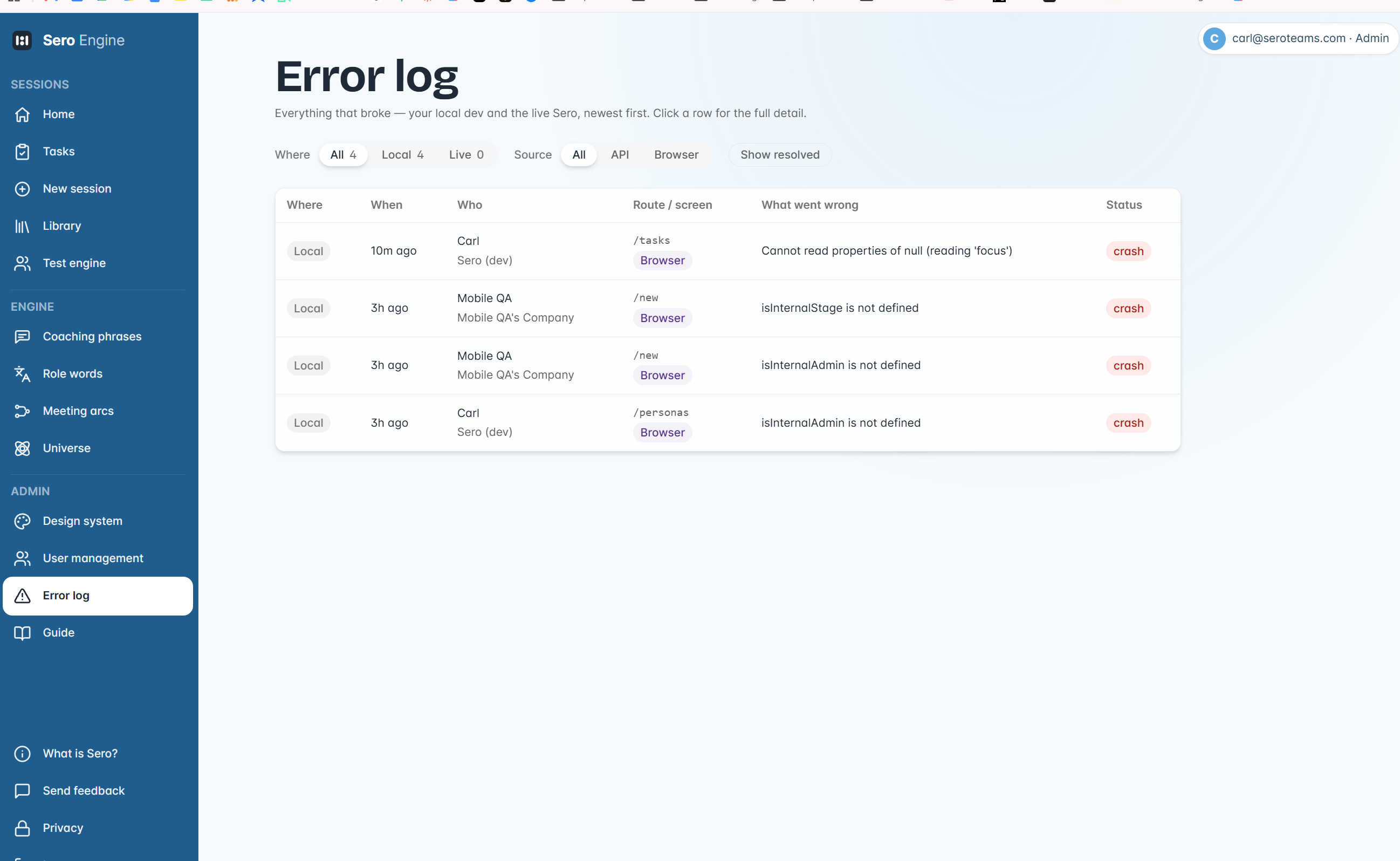
The industry has already run this experiment at scale, publicly. [Microsoft](https://www.theverge.com/2020/11/25/21722440/microsoft-productivity-score-feature-employee-monitoring-privacy) had to strip individual employee data out of its Productivity Score within days of launch after the surveillance backlash in 2020. [IBM's famous claim](https://techcrunch.com/2018/06/05/ibm-can-predict-with-95-accuracy-when-employees-are-about-to-quit/) of predicting resignations with "95% accuracy" was never backed by published figures. And regulators - the ICO in the UK, the EU with the AI Act - have drawn increasingly firm lines around inferring emotional states at work. In a regulated enterprise environment, this isn't an edge case. It's a compliance question with a very short answer.
What I decided to build instead
Here's the thing though - the underlying problem is still real, and it's still costing organisations their best people. Gallup attributes around 70% of team engagement variance to the manager. The 1:1 is the highest-leverage tool that manager has. And the honest research finding (Steven Rogelberg has spent a career on this) is that 1:1s mostly fail for an unglamorous reason: preparation. We walk in cold. We run through status. We leave with nothing agreed. I've done it myself, in busy quarters, more times than I'd like to admit.
That's where AI genuinely helps - not as a judge of people, but as preparation for the human conversation.
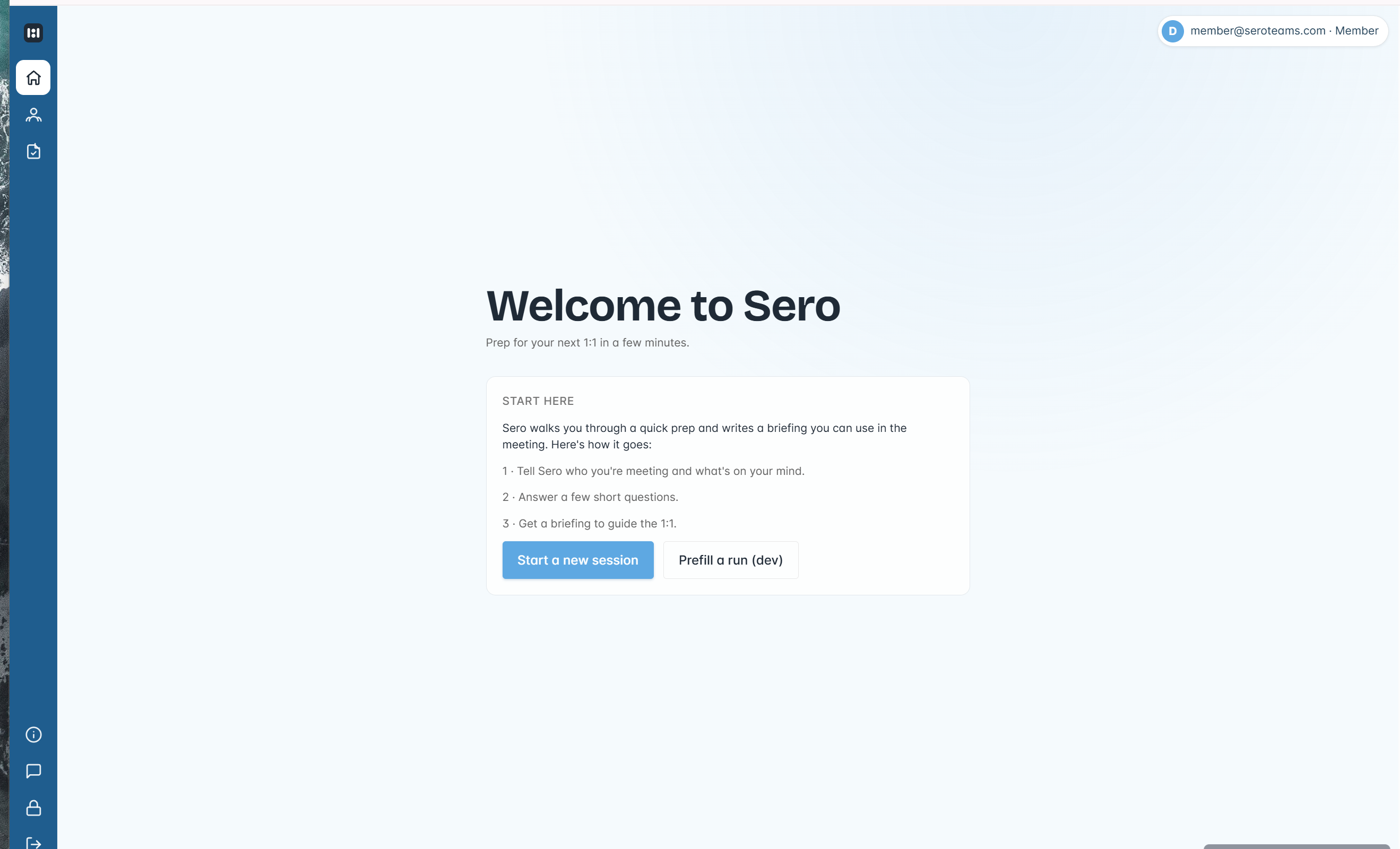
There *is* a category of signal a system can hold with complete integrity, because none of it involves guessing at anyone's inner life: the action we both agreed on has now rolled over three meetings running. The fortnightly 1:1 has quietly become monthly. The thing I promised to unblock is still blocked. Those are facts about the work, visible to both people, and they're the fairest possible prompts for a real conversation.
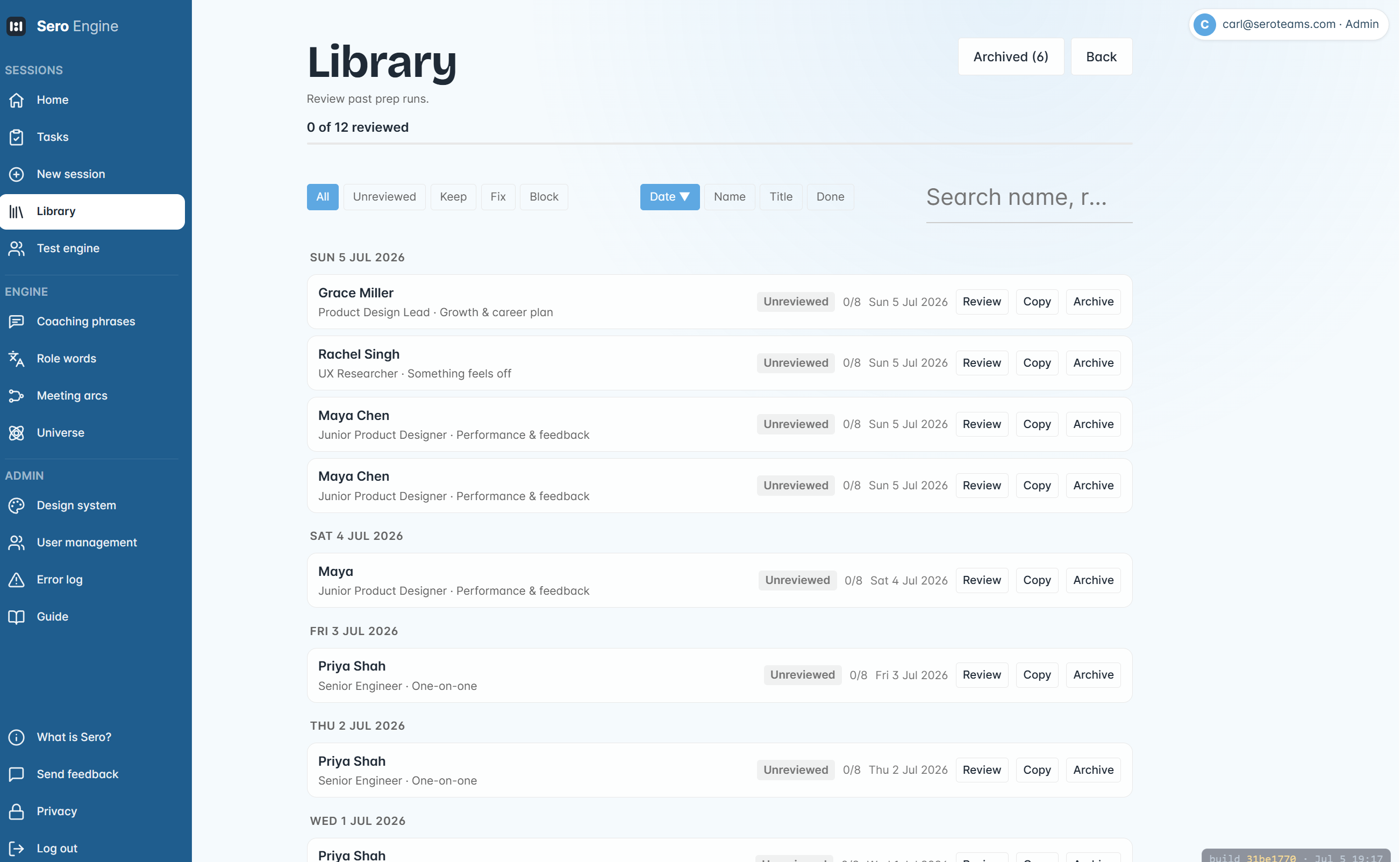
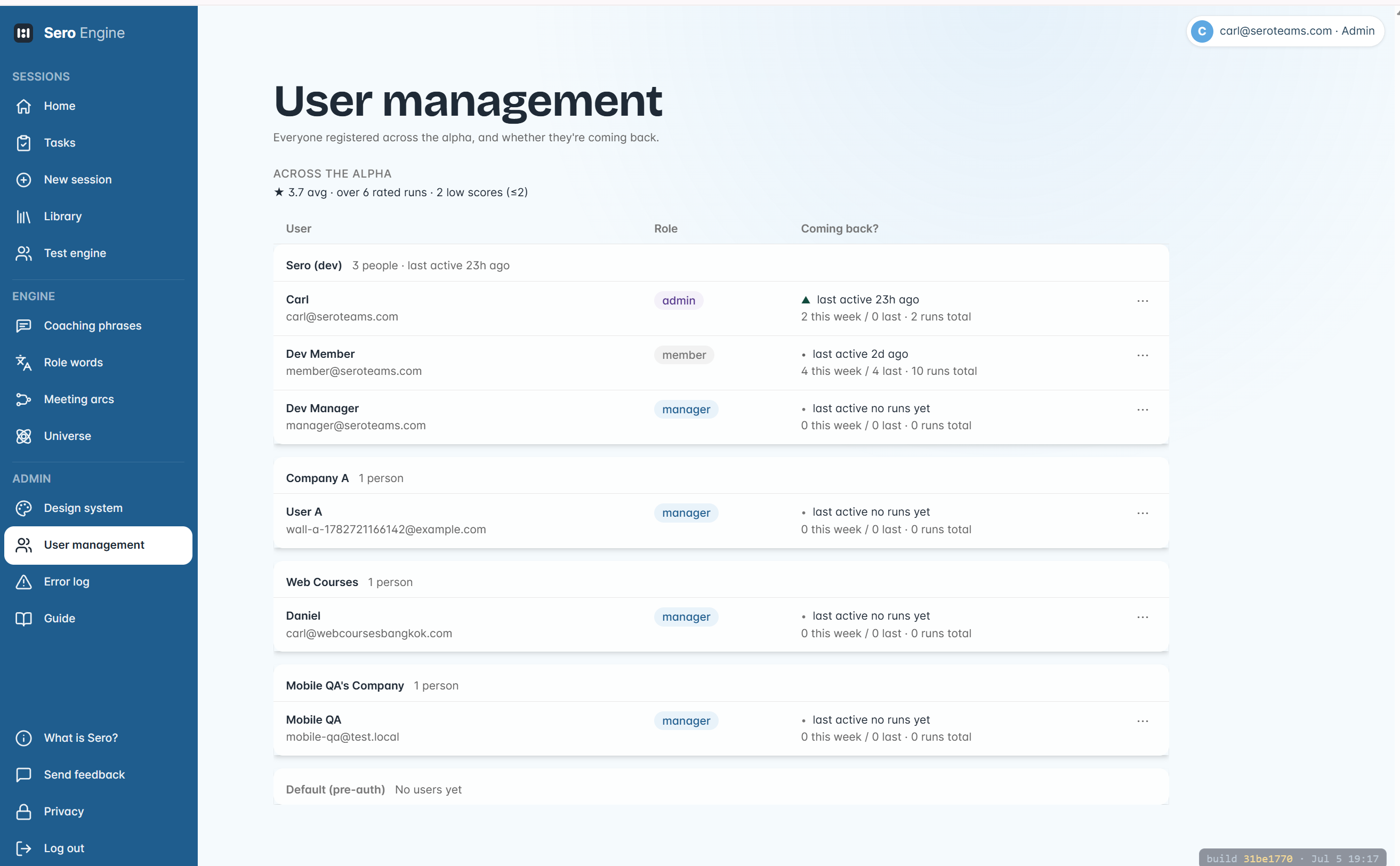
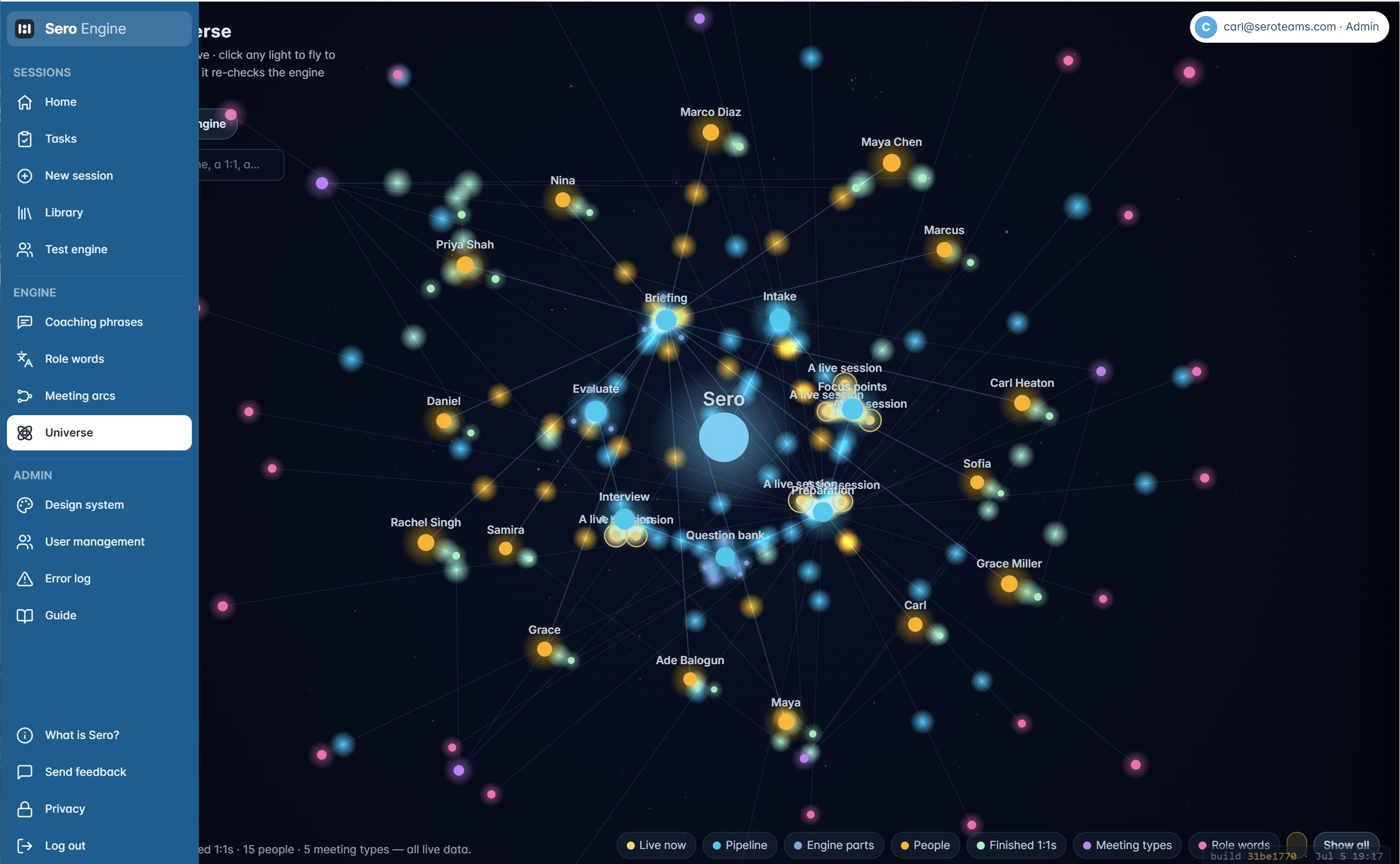
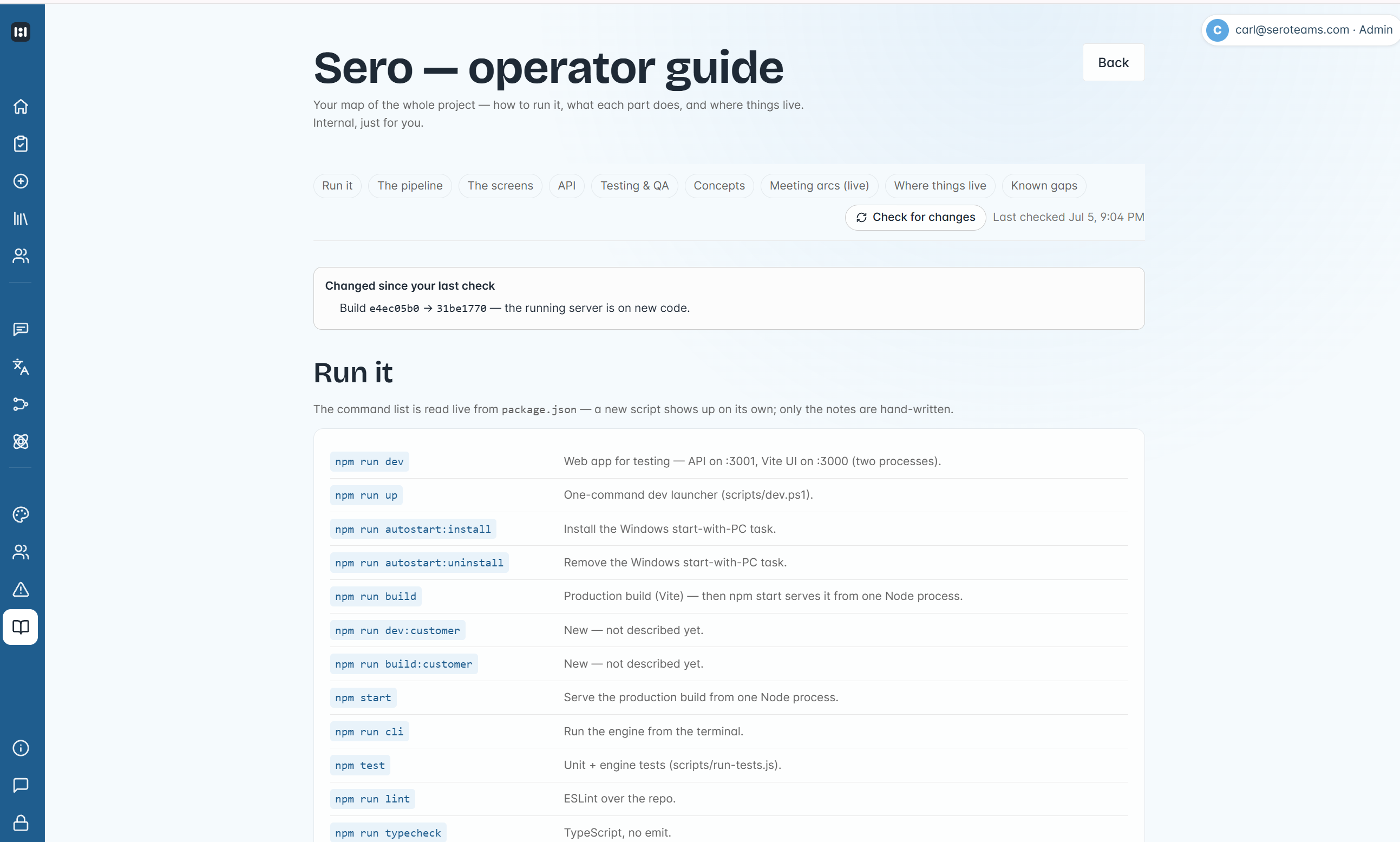
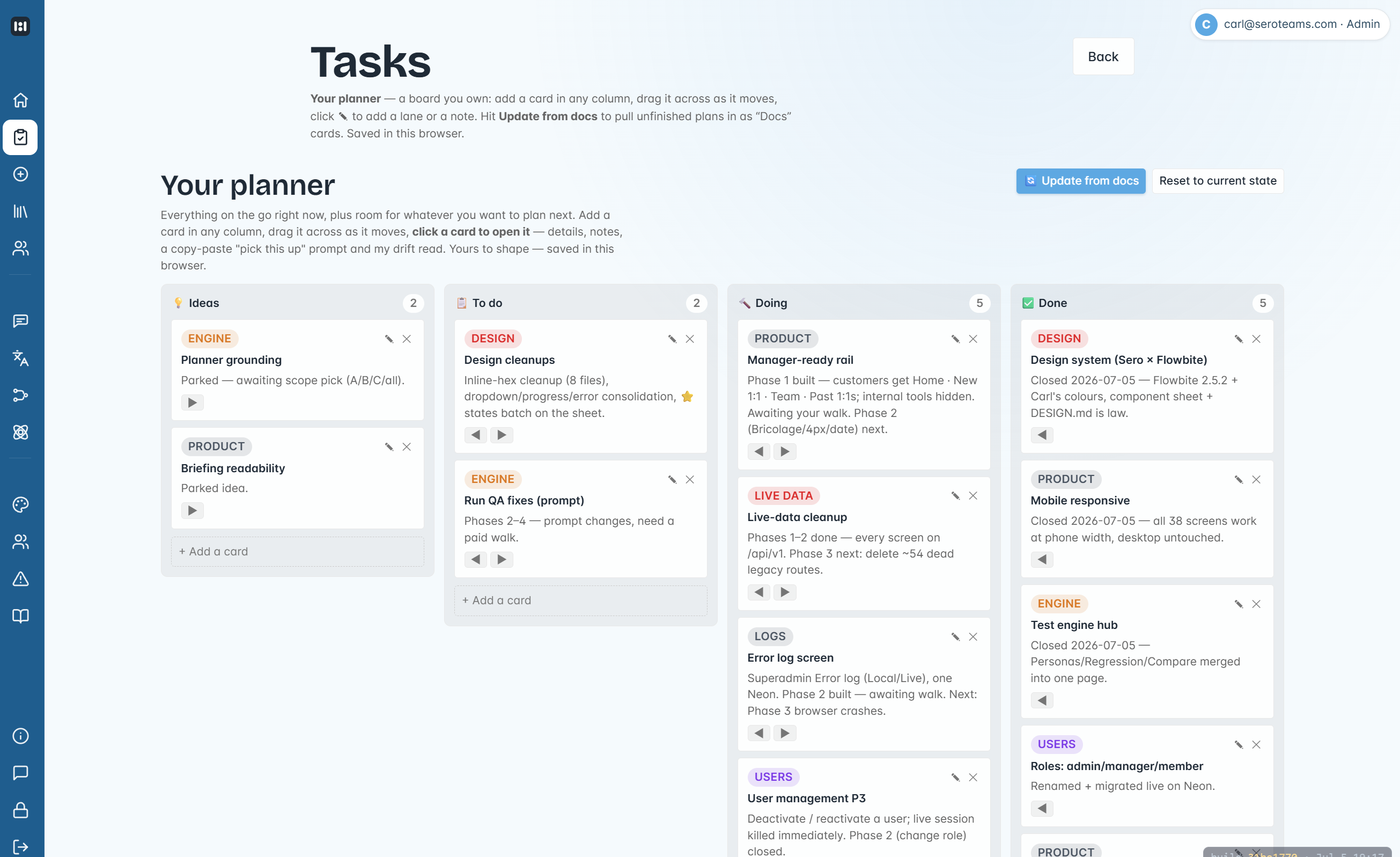
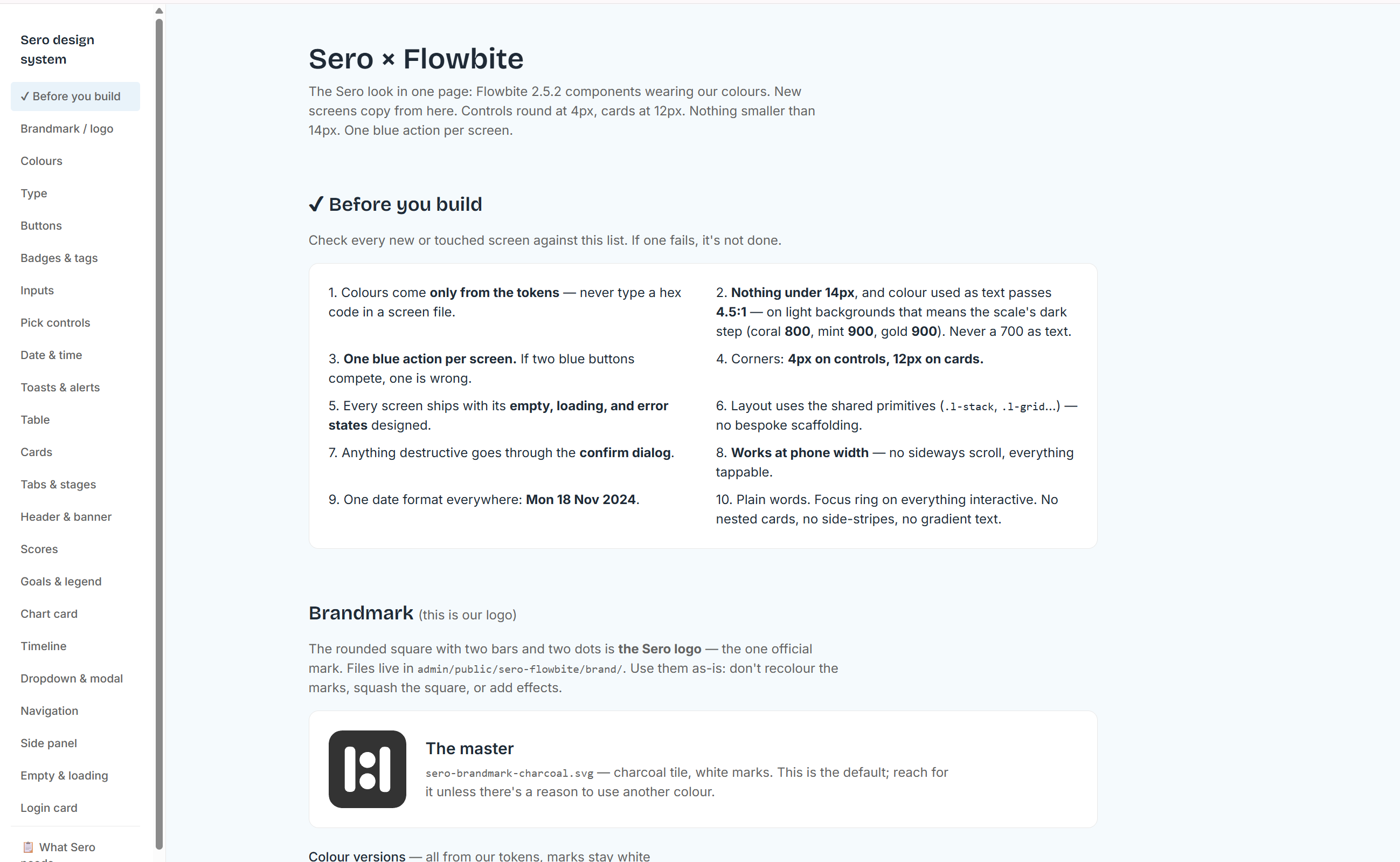
So the tool I've been building, Sero, is designed around a rule I've made non-negotiable: **no inferred psychological states, ever.** No scores on people, no trend lines, no dashboards of human beings. It tracks what verifiably happened, remembers what was promised, and turns a manager's rough notes into sharper questions and a clearer plan. The judgement - the actual leadership - stays with the human. Where twenty years of experience tells me it belongs.
The bit I keep coming back to
The people I failed to keep, all those years ago, didn't need an algorithm to detect their disengagement. They needed me to walk into our 1:1s prepared, ask a better question, and follow through on what I promised.
AI can help with all three of those. It can't do the fourth thing - care - and we should stop buying, and stop building, software that pretends it can.
That's not a limitation of the technology. That's the design.
Key sources
- [Scullen, Mount & Goff, Journal of Applied Psychology (2000)](https://doi.org/10.1037/0021-9010.85.5.956)
- [Edwards & Holtzman, Journal of Research in Personality (2017)](https://doi.org/10.1016/j.jrp.2016.06.022)
- [Kurpicz-Briki et al., Frontiers in Big Data (2022)](https://doi.org/10.3389/fdata.2022.786054)
- [Gallup, State of the American Manager](https://www.gallup.com/services/182138/state-american-manager.aspx)
- [Rogelberg, Glad We Met (OUP, 2024)](https://global.oup.com/academic/product/glad-we-met-9780197641873)
- [ICO guidance on monitoring workers (2023)](https://ico.org.uk/for-organisations/uk-gdpr-guidance-and-resources/employment/employment-practices-and-data-protection-monitoring-workers/)
- [EU AI Act](https://eur-lex.europa.eu/legal-content/EN/TXT/?uri=CELEX:32024R1689)